About SSS · Since 1987
Experience that runs deep.
A hyperbaric medicine consultancy and the network it built - one standard of care, carried across decades and oceans.
−20 ft (6 m) · the legacy
One chamber became a standard.
SSS began where the diving was: Cozumel, 1987 - the region's first recompression chamber, placed at the dive site instead of a flight away. The idea proved larger than one island.
Three decades on, that idea has built chambers, alarm centers and dive-medicine teams across the Caribbean, the Pacific and Southeast Asia - and trained the people who run them. The network has not stood still: facilities have grown, changed and been renewed, and the standard has traveled with them. What began as one chamber is now an institution.
−40 ft (12 m) · the standard
One clinical model.
Every SSS site operates under the same clinical model. A physician trained in diving medicine is on call at the chamber, backed by certified Diver Medical Technicians (DMTs), chamber operators and patient tenders.
−60 ft (18 m) · the thesis
A chamber is equipment. A network is a standard.
A chamber on its own is equipment. A network is a standard - shared protocols, training, maintenance, and staffing - so that quality doesn't depend on which coast you happened to dive. Today SSS links chambers across multiple countries under that single standard.
−80 ft (24 m) · built for the moment
Built for what the moment requires.
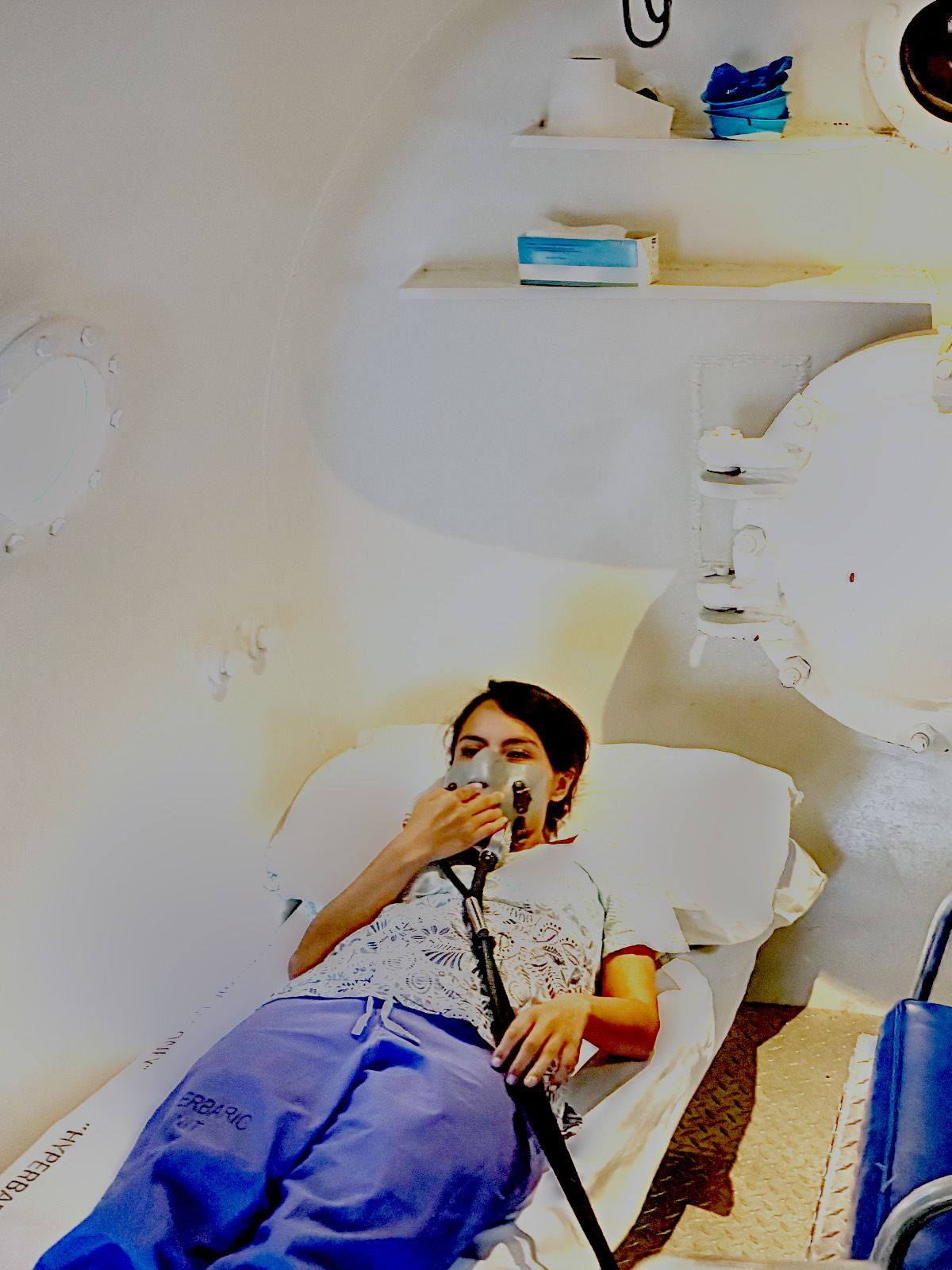
SSS chambers are multiplace, double-lock systems. They treat more than one patient at once, and let a technician or physician enter or leave mid-treatment without interrupting the patient inside. Several sites run mixed-gas treatment tables for technical and commercial diving incidents. Each facility sits alongside hospital infrastructure - ICUs, emergency rooms, ambulance and evacuation capability - so a chamber is never the only resource on hand. Sites without a chamber on location operate as evacuation centers. They stabilize the diver, then move the diver to the nearest multiplace facility by boat, road or air.
−100 ft (30 m) · today
Where the network stands.
SSS links recompression chambers, evacuation centers and dive-medicine teams across the Caribbean and Pacific coasts of Mexico, Central America, the Galapagos, Thailand's Andaman and Gulf coasts, and East Africa.
To our patients
Deliver high-quality medical care with professionalism, courtesy, and concern for everyone involved.
To dive-industry professionals
Make available the information and training needed to prevent dive injuries and - when prevention isn't enough - to handle injuries and medical evacuations correctly.
To the public
Maintain facilities that are an asset to the local community and give confidence to visitors. Conduct our work safely and ethically, and apply the local and international guidelines that govern hyperbaric healthcare.
To our staff
Provide a safe working environment with the right facilities and equipment. Provide training to the level the work requires.
130 ft (40 m) - the recreational diving limit. Below this depth, most diving is commercial or professional work.
−140 ft (43 m) · beyond the recreational diver
Community service.
The network's reach extends past tourism. In Cabo San Lucas, the chamber offers care to indigenous fishing divers and runs safety education to prevent the injuries in the first place. Several sites also provide hyperbaric oxygen therapy (HBOT) for non-diving conditions, sparing patients long trips to distant cities.